


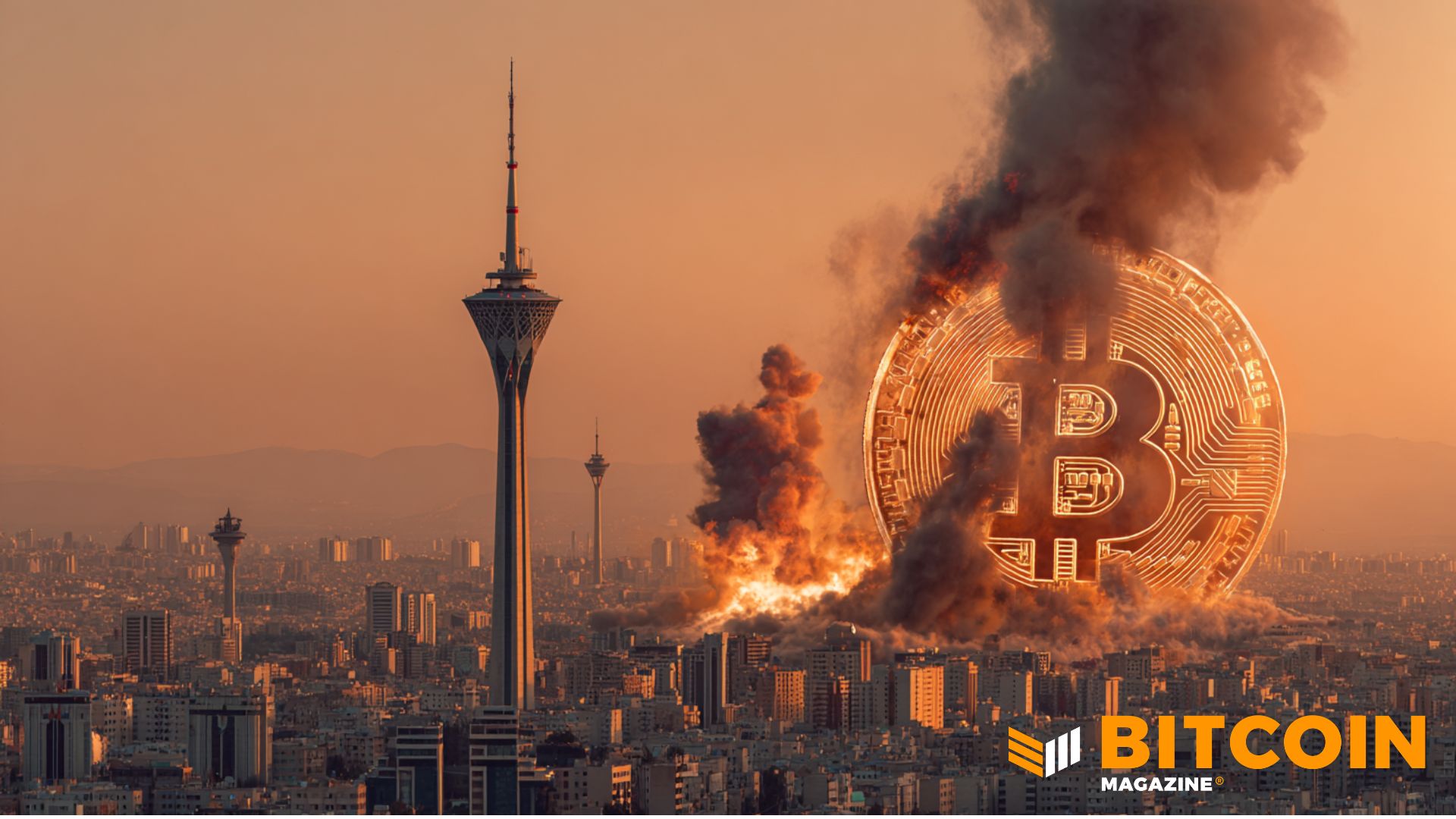
Within moments of the initial U.S.-Israeli strikes on Tehran on Saturday morning, a notable shift in financial behavior began to unfold. The blockchain analytics firm Elliptic reported a staggering 700% increase in crypto outflows from Nobitex, Iran’s largest cryptocurrency exchange. This surge reflects a simultaneous capital flight, as Iranians hurried to transfer their assets out of a nation suddenly engulfed in extensive military conflict.
Nobitex processed $7.2 billion in cryptocurrency transactions in 2025 and serves over 11 million users, as noted by Elliptic. The platform allows users to convert Iranian rials into cryptocurrency and withdraw to external wallets, effectively circumventing the nation’s constrained banking system and the international sanctions imposed upon it.
Elliptic’s initial analysis indicates that the funds during this weekend’s exodus were redirected to overseas exchanges that have previously received considerable Iranian inflows, implying that these assets are being moved abroad.
Similar spikes in outflows have been observed earlier this year. A significant withdrawal on January 9 coincided with widespread anti-regime protests and a government-imposed internet blackout. Remarkably, certain outflows persisted even during this blackout, raising concerns regarding who retains access to Nobitex’s holdings when its online platform is rendered inaccessible.
Additional surges were noted in conjunction with announcements of new U.S. sanctions on Iranian entities. In each instance, cryptocurrency has functioned as a means of evasion amid escalating political turmoil.
Dr. Tom Robinson, co-founder of Elliptic, commented, “The outflows potentially signify capital flight from Iran that bypasses the traditional banking system.”
Bitcoin’s Weekend Volatility
The strikes, designated Operation Roaring Lion by Israel and Epic Fury by the Pentagon, commenced at 9:45 a.m. Tehran time, targeting nuclear facilities, missile sites, and the Pasteur district, where Supreme Leader Ayatollah Ali Khamenei resided.
Iran subsequently confirmed the death of Khamenei and several high-ranking officials.
In response, cryptocurrency markets exhibited immediate volatility. Bitcoin experienced a sharp decline from approximately $67,000 to below $64,000, losing nearly 5% within minutes. The total crypto market capitalization plummeted by $128 billion, driven by forced liquidations across various exchanges.
A subsequent rebound occurred, where Bitcoin rose above $68,000 as traders speculated that the regime’s decapitation could lead to a shorter conflict. However, this uptrend was short-lived, as Iranian retaliation—including missile and drone strikes directed at Israel, Qatar, the UAE, Bahrain, and U.S. bases in the region—indicated that the situation was escalating rather than contained.
By Sunday afternoon, Bitcoin stabilized around $65,300. At the time of writing, it is hovering near the $70,000 mark.
He observed that when U.S. equities opened slightly higher on Monday, this further reinforced the upward trend, with Bitcoin nearing $70,000 and major altcoins experiencing gains ranging from 6% to 10%.
Open interest increased on February 28, indicating that traders were adding new positions instead of reducing their exposure prior to the event. According to Axis, this behavior suggests that the market had largely incorporated the geopolitical developments into its pricing and was no longer perceiving them as a substantial threat.
Nevertheless, the options market presents a more cautious narrative. A significant amount of $1.9 billion in Bitcoin put options was concentrated at the $60,000 strike price over the weekend, indicating heightened demand for downside protection and suggesting that seasoned traders are preparing for potential adverse outcomes.
Timot Lamarre, director of market research at Unchained, remarked that Bitcoin’s response during such tumultuous periods challenges the perception of it as merely a risk-on technological asset. Instead, it highlights a growing acknowledgment of Bitcoin’s significance in times characterized by counterparty risk.
Implications Beyond Cryptocurrency
The economic repercussions of the ongoing conflict reach far beyond the cryptocurrency sector. The Islamic Revolutionary Guard Corps of Iran announced that no vessels would be allowed to traverse the Strait of Hormuz, a critical passageway through which approximately 20% of global daily oil supply is transported.
Consequently, oil futures surged at Monday’s market opening. Goldman Sachs has projected that oil prices could escalate to $100 per barrel if the conflict endures for four to five weeks, as suggested by President Trump during talks over the weekend.
For Bitcoin, the crisis in Iran underscores an inherent contradiction. While cryptocurrencies were designed to operate independently of state control—evidenced by Nobitex’s extraordinary 700% spike in outflows—they simultaneously find themselves at the forefront of the financial conflict engendered by Western sanctions and oppositional nation-states.

Thank you for visiting our site. You can get the latest Information and Editorials on our site regarding bitcoins.

