


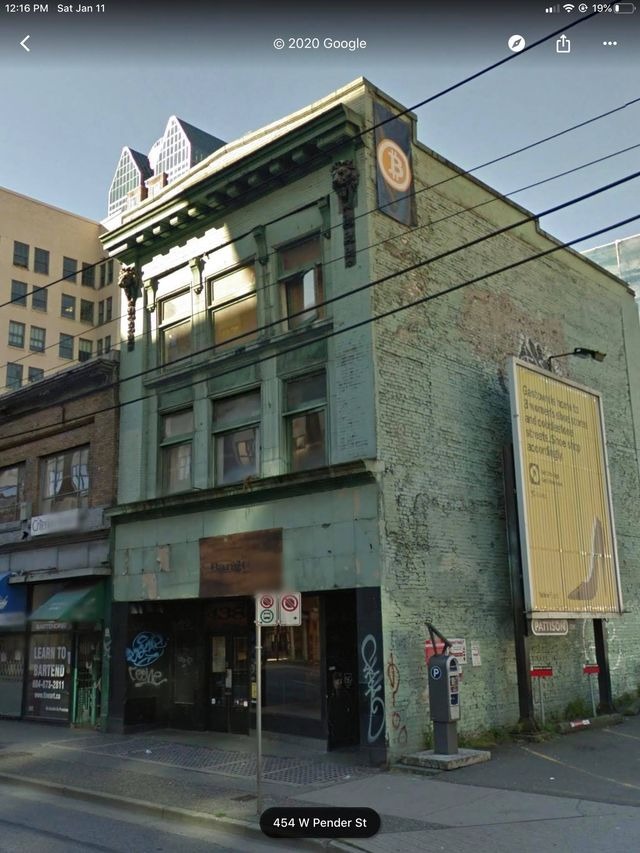
DCTRL, a prominent Bitcoin hub and hackerspace located in Vancouver, has announced the closure of its downtown basement location after 12 years, a spot recognized for its fostering of a tinkerer mindset and hardware hacker culture. The community plans to transition to a new location in the upcoming weeks, accompanied by updates reflecting the hub’s vision. The Vancouver Bitcoin community has gained prominence for establishing the first Bitcoin ATM in history, with DCTRL playing host to various influential figures who have contributed significantly to the industry’s cultural and innovative development.
Over its 12-year tenure, DCTRL has been frequented by some of the most influential personalities in the Bitcoin and broader cryptocurrency sector. While the closure due to zoning law changes marks the end of an era, plans for relaunching in a new setting are underway. Active members are currently consolidating the historical moments, relationships, and lessons learned during what could be considered one of the longest-running Bitcoin hackerspace experiments in the industry’s brief history.
The inception of DCTRL can be traced back to Waves Cafe on Howe Street, where a group known as the Bitcoiniacs, comprised of four original members operating a Bitcoin brokerage, decided to integrate a Bitcoin ATM to facilitate public transactions. Rallying local participation from Vancouver’s technology, finance, and emerging cryptocurrency communities, they organized a launch party that would prove significant.
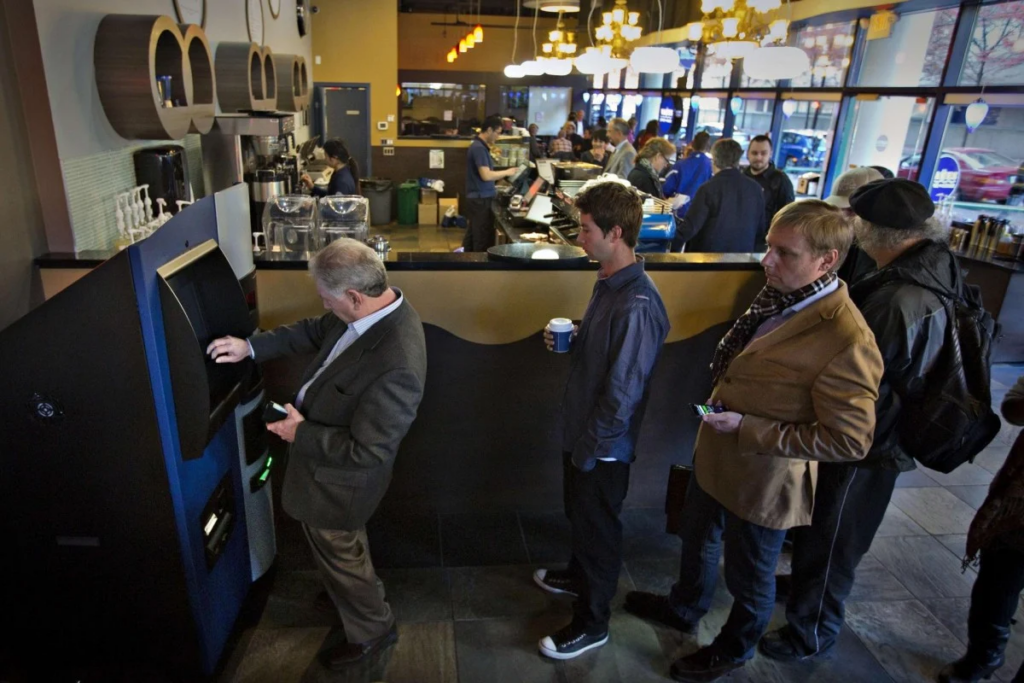
The launching of the first Bitcoin ATM, described by Freddie Heartline, a Bitcoin enthusiast and co-founding member of DCTRL, as a monumental occasion, captivated attendees who experienced an atmosphere akin to a high-energy event. Heartline recounted, “Oh man, the vibes were incredible. It literally felt like a really good rave. But it was smarter. Way smarter.” This event occurred in October 2013, as Bitcoin was surging from several dollars to nearly $150, preparing to approach the $1,000 milestone. The electric energy surrounding the Bitcoin community during this time symbolized the end of Bitcoin’s longest bear market and indicated a lasting presence in the financial sphere.
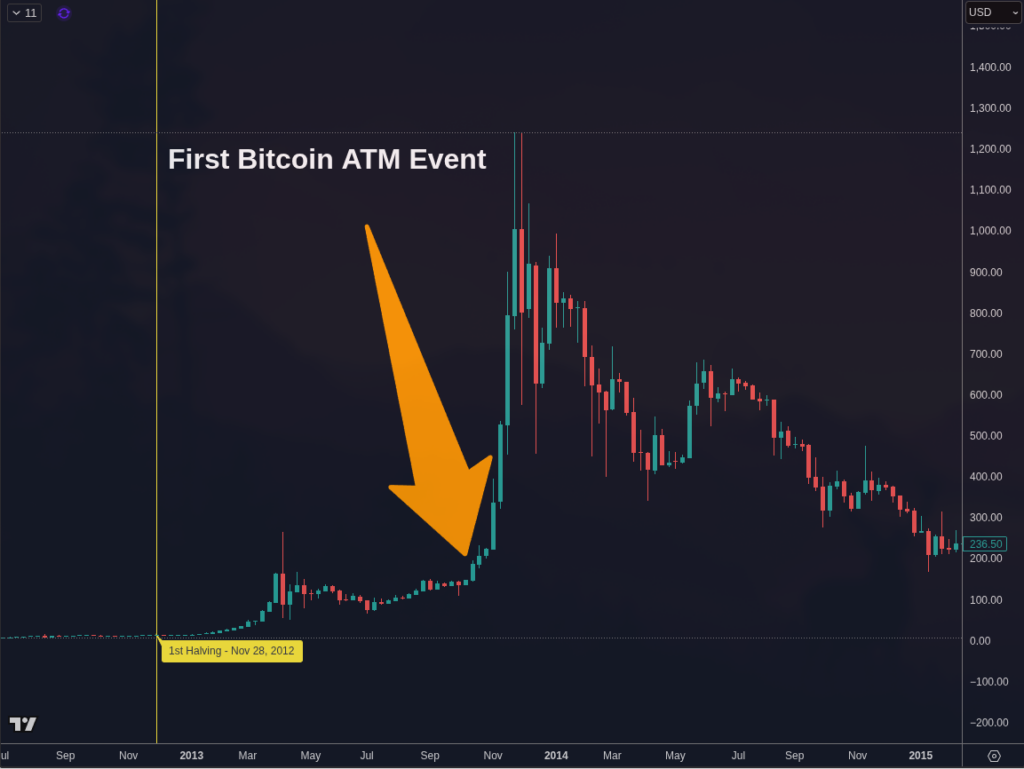
The historical impact of this launch did not go unnoticed, as tens of thousands of Canadian dollars worth of Bitcoin were exchanged, likely resulting in a select few emerging as millionaires. This success catalyzed further developments in Bitcoin ATM projects and the establishment of cryptocurrency-related businesses. Additionally, it inspired the creation of the DCTRL hackerspace, originally named “Decentral.”
Cameron Gray, an avid Bitcoin supporter and a volunteer during the Bitcoiniacs event, was instrumental in realizing this vision. Heartline reminisced, “Cam was absolutely an essential part of founding Decentral.” Gray’s influence became apparent after he suggested the idea of opening a dedicated space, stemming from a conversation about the cafe’s lighting while operating the ATM.
Subsequently, they secured a basement location in downtown Vancouver—an environment both gritty and welcoming. This venue evolved into a center for Bitcoin engineers, founders, enthusiasts, and notable figures, as the interior improved over time, eventually adorned with Bitcoin-themed artwork and various hardware modifications.
While Bitcoin experienced significant fluctuations, including a correction back to $300 following a peak at $1,000, Heartline took innovative steps to sustain DCTRL. He established a rooftop tent as a means to maintain operations during this bearish phase.

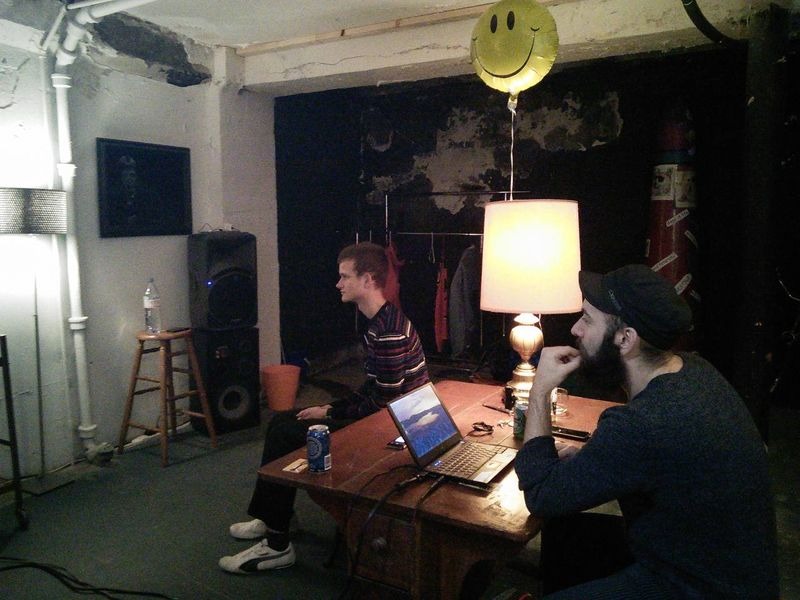
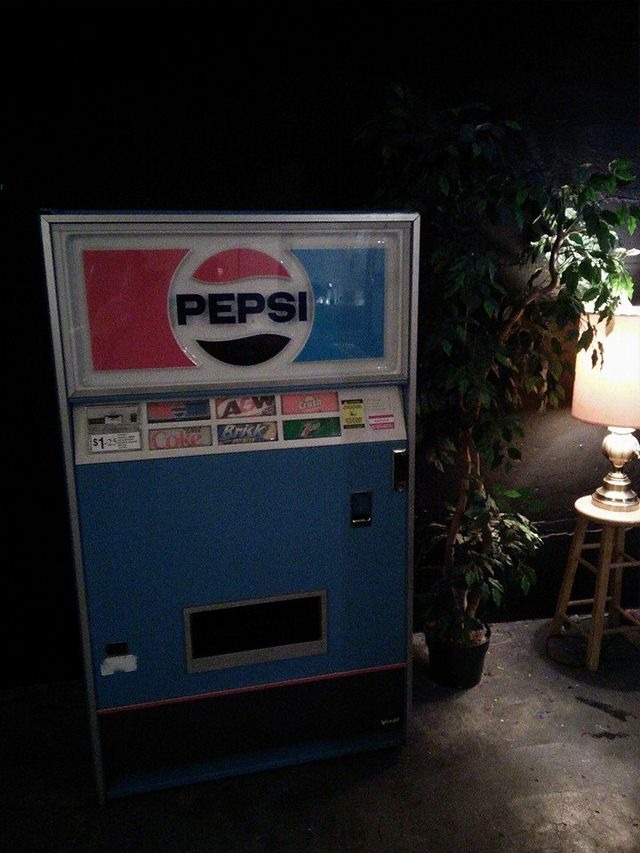
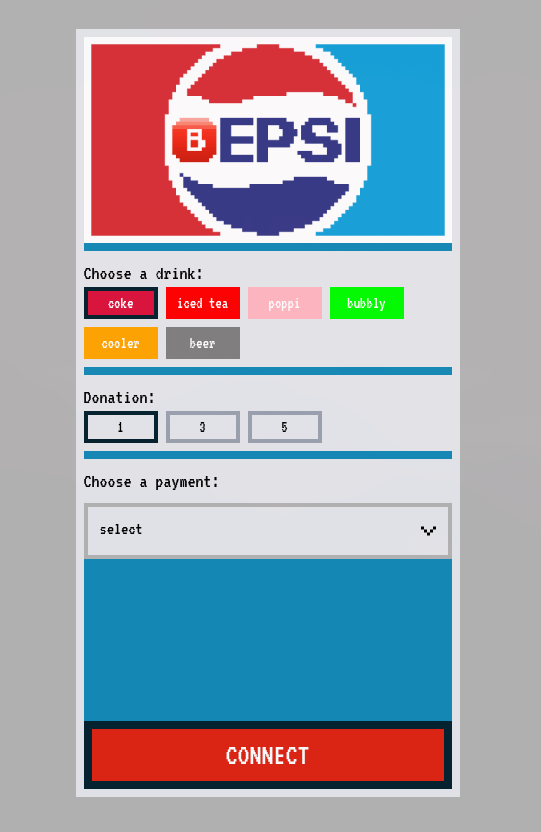
Gregg Peacock was a valuable contributor to DCTRL, having made a $500 donation to support creative initiatives at the hub. This contribution led to the acquisition of a Pepsi machine, which was subsequently modified and rebranded as the Bepsi for Bitcoin transactions.
The above video illustrates Peacock executing an on-chain transaction through the pop machine, symbolizing the use of Bitcoin for everyday transactions. Over the years, the Bepsi machine has supported numerous Bitcoin protocols, and its technology has undergone various enhancements, making it a central element of DCTRL’s community operations.
Vancouver Mayor @KenSimCity using the Bepsi machine with @lightning at DCTRL
pic.twitter.com/bTE2VNiiFK
— DCTRL (@dctrlvan) November 7, 2025
Today, the Bepsi machine supports nearly all Bitcoin protocols and serves as a testing platform for advanced Bitcoin technologies, such as Taproot Assets and Arcade OS. Heartline further explained that a Bepsi token was issued, symbolically pegged to the price of a soda can, indicating its playful yet functional role within the space. The funds generated through the Bepsi machine have primarily supported operational costs of DCTRL, establishing it as a fundamental aspect of the community.
Visited by Legends
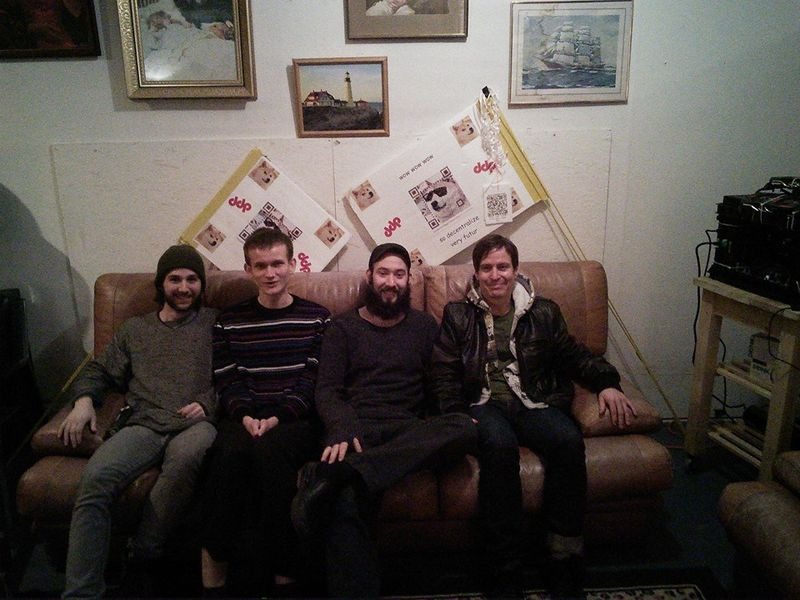
Throughout its operational years, DCTRL has witnessed attendance from numerous notable figures within the cryptocurrency sector. Vitalik Buterin, for instance, frequented the space during the early development of Ethereum, with photographic evidence of this moment preserved on-site.
The founders of CaVirtex, Canada’s first Bitcoin exchange, also engaged with the DCTRL community, leaving a lasting impact on the Canadian Bitcoin landscape before the brand was acquired by Kraken. Their influence was instrumental for many individuals entering the Bitcoin market prior to the first substantial bull run.
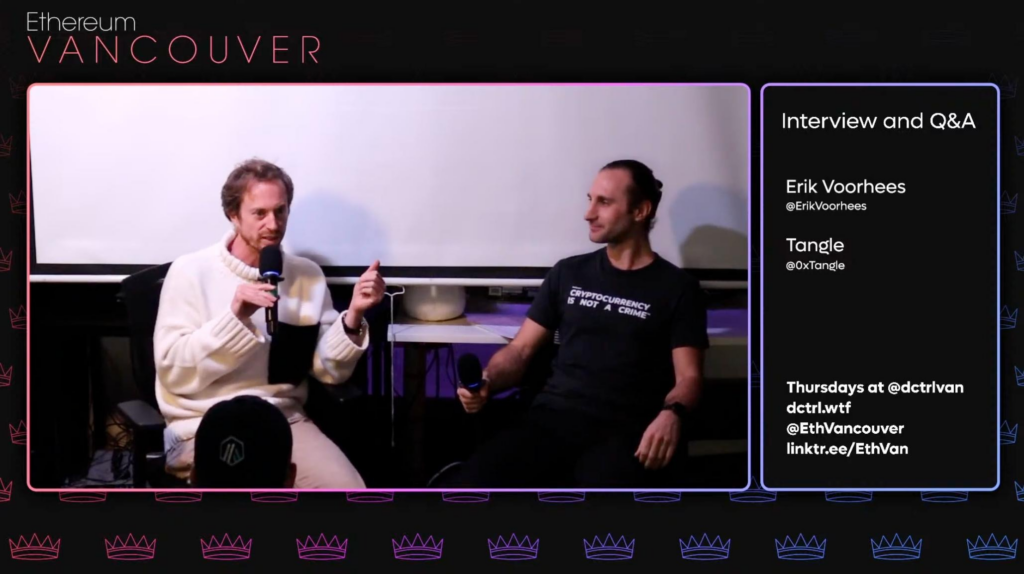
Various prominent figures, including Roger Ver, Andreas Antonopoulos, and Willy Woo, also participated in DCTRL events, directly engaging with the local community. Erik Vorhees, recognized for developing the first major instant cryptocurrency exchange, ShapeShift, conducted discussions at DCTRL during local meetups.
Even controversial figures such as Gerald Cotten, once a prominent figure in the Canadian Bitcoin space, frequented DCTRL during its operation. His enigmatic legacy is punctuated by the infamous collapse of QuadrigaCX, which left numerous users at a loss. Cotten’s untimely and mysterious demise, allegedly occurring shortly before the exchange’s bankruptcy, continues to raise skepticism among those affected by the incident.
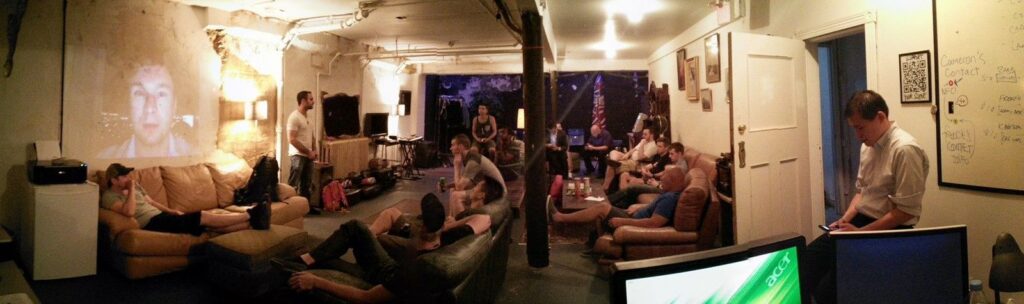
The evolution of DCTRL reflects the broader trends within the cryptocurrency sector, as evidenced by conflicts stemming from the fork wars. Cameron Gray, a co-founder, aligned with the ‘big block’ perspective, leading to significant debates and tensions within the DCTRL community. Despite these challenges, Gray’s contributions have been duly recognized, and he remains respected among the active members.
DCTRL acted as a platform for dialogue surrounding these contentious issues, regularly hosting discussions featuring notable figures such as Peter Rizun, who advocated for alternative Bitcoin implementations.
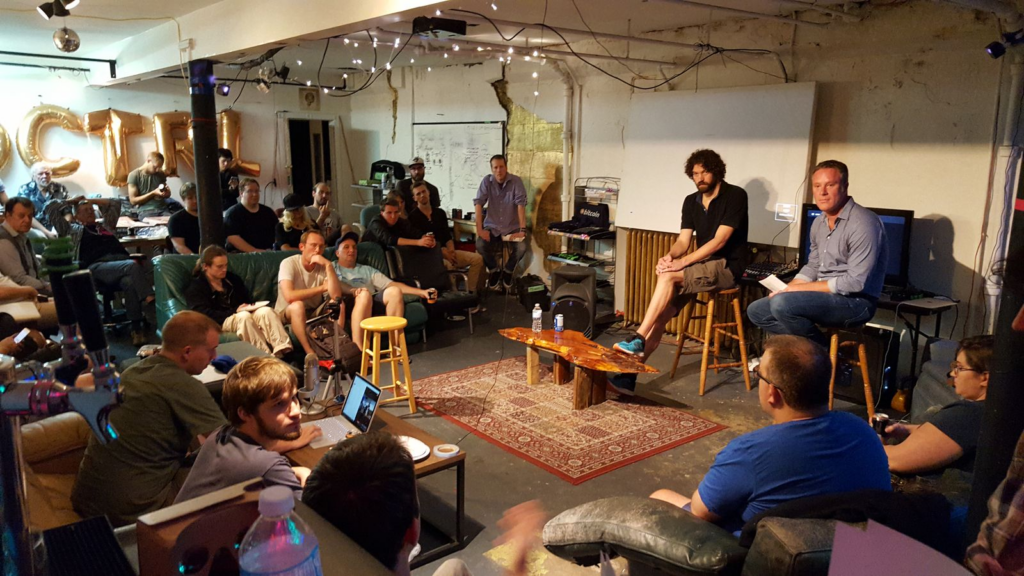
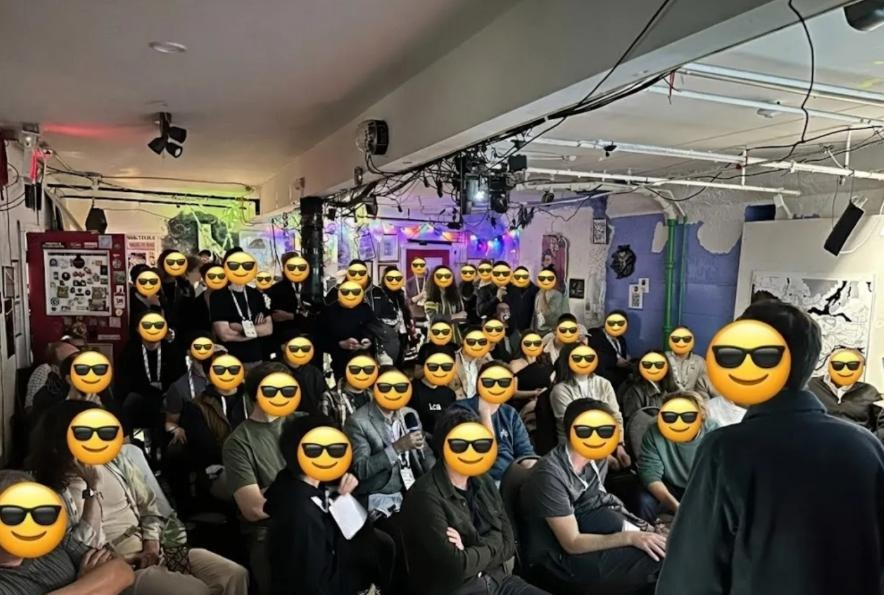
In total, DCTRL has celebrated over 12 years of uninterrupted operations, hosting hundreds of events with an impressive attendance of over 1,500 community members. The hackerspace has published 69 recorded talks on YouTube that explore a wide range of subjects relevant to the Bitcoin and cryptocurrency industries. Throughout this experience, DCTRL has operated solely through the efforts of volunteers, supported by public donations and the Bepsi.
As the city implements zoning changes and prepares for a new structure at DCTRL’s former site, the active members and hosts are strategizing the transition to a new location while revitalizing the brand.
According to DJ, a pseudonymous active member, the hackerspace has recently seen record attendance. Although the location will alter, the outlook for DCTRL remains promising. Individuals looking to engage in the future of DCTRL are encouraged to visit www.DCTRL.wtf.

Thank you for visiting our site. You can get the latest Information and Editorials on our site regarding bitcoins.

