


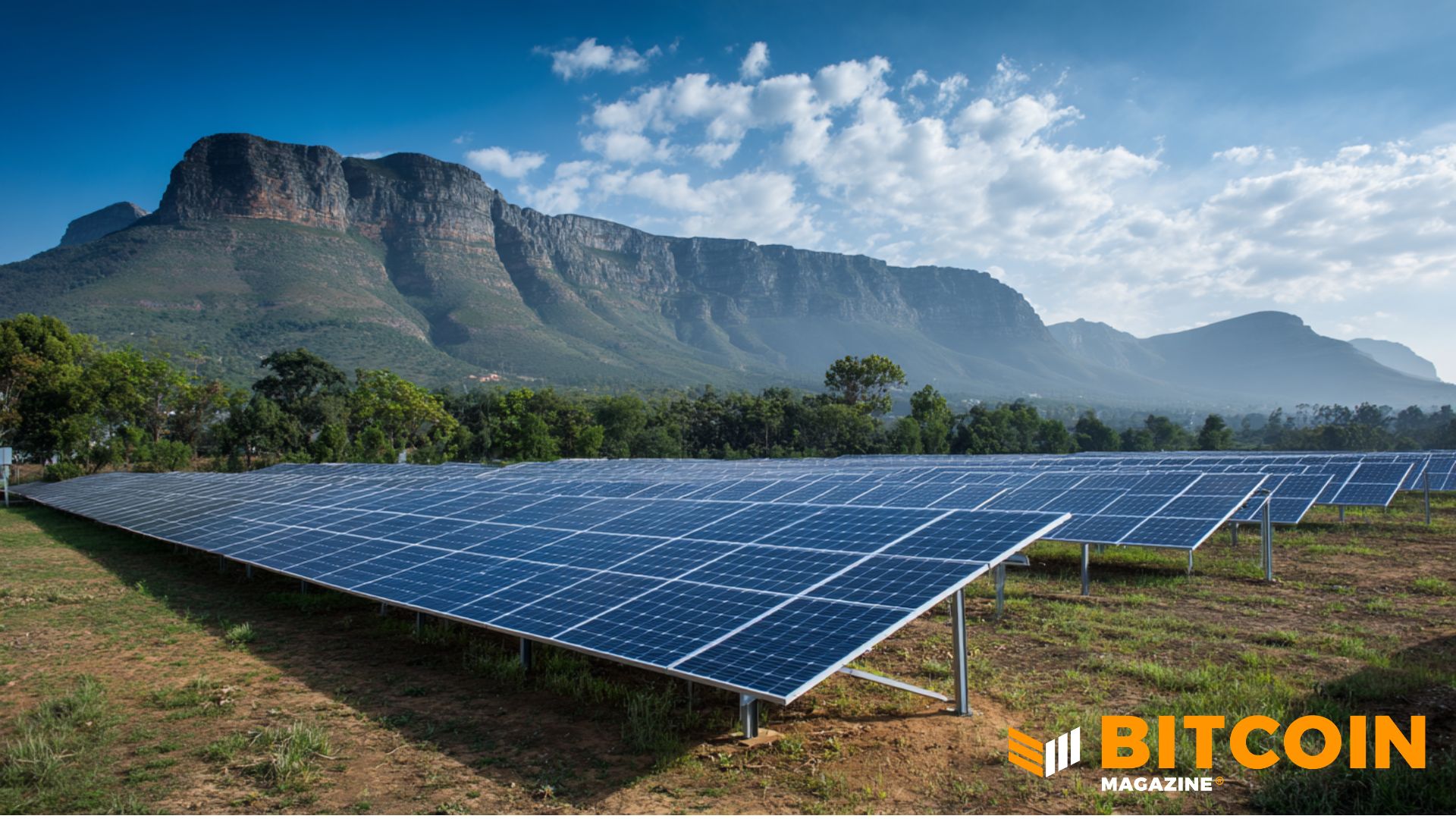
Eskom, the public electricity utility in South Africa, is assessing strategies to sell surplus daytime electricity to Bitcoin mining firms as an influx of rooftop solar installations diminishes grid demand during daylight hours.
At the Biznews Conference 2026 in Hermanus, Eskom chairman Mteto Nyati articulated that the utility is exploring avenues to monetize the excess power generated during peak solar production times, as reported by local media.
The swift adoption of rooftop solar systems in South Africa has begun to alter the electricity demand dynamics in the country. Numerous households and businesses are now generating their own power during the day, resulting in Eskom having unused capacity when solar panels are actively producing energy.
Nyati noted that this pattern has become increasingly predictable.
There is a noticeable demand spike in the early morning as households prepare for work and business operations commence. However, as solar generation increases throughout the day, the demand on the grid diminishes, leaving Eskom with surplus electricity.
In response, Eskom is considering inventive methods to utilize this available capacity. One proposal under review includes offering discounted electricity rates to Bitcoin mining enterprises operating within South Africa. This sector is known for its large data centers that perform intensive computations essential for securing the Bitcoin network.
Nyati remarked that industries such as Bitcoin mining contribute to the growing global electricity demand. He emphasized that while such technology did not exist two decades ago, it now constitutes a significant consumer of electricity resources.
By selling surplus electricity to miners, Eskom could potentially generate revenue from power that may otherwise remain unused during solar-heavy hours.
Opportunities for Bitcoin Mining in South Africa
This initiative also aligns with earlier remarks made by Eskom CEO Dan Marokane, who indicated that the state-owned utility is assessing opportunities connected to Bitcoin mining, artificial intelligence infrastructure, and large-scale data centers.
These sectors necessitate substantial, consistent electricity supplies and might provide new demand for Eskom’s generation capabilities.
Nyati positioned this initiative as part of a larger strategy to respond to the structural changes occurring within South Africa’s electricity market.
The nation’s power sector is progressively opening to private investments, enabling independent entities to establish generation capacity and compete in the electricity distribution market. Concurrently, the rising prevalence of rooftop solar installations continues to divert demand from the national grid.
According to Nyati, Eskom must adjust to maintain its viability in an increasingly competitive landscape.
In conjunction with new revenue strategies, Eskom is also focused on reducing operational costs. Nyati indicated that the utility aims to cut approximately R112 billion in expenses over the forthcoming five years.
These cost reductions may facilitate lower electricity prices for both households and energy-intensive industries such as mining and smelting.
Despite the evolving energy landscape, Nyati asserted that South Africa continues to require a robust national utility.
He argued that Eskom’s coal and nuclear power stations are essential in providing the baseline electricity necessary to underpin industrial growth and economic advancement.
The proposition to deliver discounted electricity to Bitcoin miners exemplifies how utilities are increasingly recognizing the value of flexible energy consumers as resources for balancing supply and demand within an evolving power system.

Thank you for visiting our site. You can get the latest Information and Editorials on our site regarding bitcoins.

