


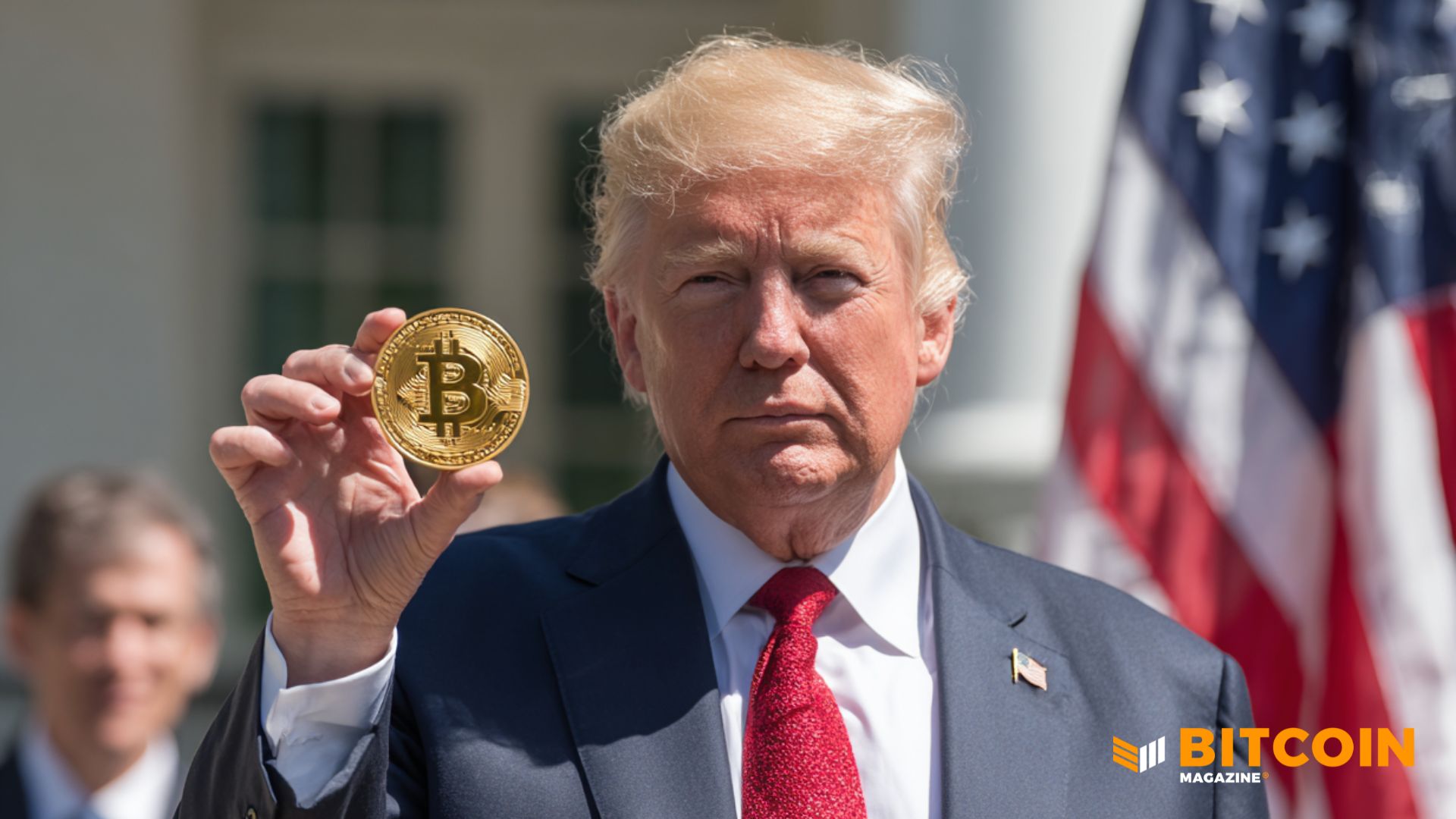
Cathie Wood posits that political dynamics, rather than market forces alone, could drive the United States towards a proactive stance in purchasing Bitcoin.
The founder of ARK Invest recently stated that cryptocurrency has evolved into a significant political issue for President Donald Trump, one that may influence policy decisions as the administration approaches the 2026 midterm elections.
From Wood’s perspective, this political context enhances the likelihood that the federal government will transition beyond merely holding seized Bitcoin and commence outright purchases for a national strategic reserve.
Wood articulated during a recent episode of ARK’s Bitcoin Brainstorm podcast that cryptocurrency played a notable role in Trump’s presidential victory. As the midterms approach, she contends that Trump has incentives to foster support within the crypto industry and demonstrate tangible progress.
“The most important factor is that he does not wish to be perceived as a lame duck. He aims to leverage the next one or two years productively, and I believe he views cryptocurrency as a pathway to the future,” stated Wood.
An executive order establishing a U.S. Bitcoin reserve was enacted less than one week into Trump’s second term, accompanied by the initiation of a broader digital asset stockpile and the formation of a new interagency working group led by Special Advisor for AI and Crypto, David Sacks.
However, thus far, this reserve has only been funded with Bitcoin seized through criminal forfeitures—assets that Trump has committed not to liquidate.
Wood noted, “It appears there has been reluctance regarding the actual purchase of Bitcoin for the strategic reserve. As it stands, we only have confiscated Bitcoin.” She suggested that this caution may not persist, stating, “The original objective was to acquire one million Bitcoins; therefore, I believe purchasing will eventually commence.”
The cryptocurrency sector has increasingly organized itself as a political constituency throughout the latest election cycle. Industry-backed political action committees have invested significantly in congressional races, while notable executives have openly endorsed Trump and, in some instances, made personal donations. Wood herself was notably among these supporters.
The administration has also made efforts to demonstrate engagement with the cryptocurrency sector, exemplified by hosting crypto-related events at the White House and the involvement of firms such as Coinbase, Tether, and Ripple in the development of a new White House ballroom.
Bitcoin as a ‘Scarce Value’
In the realm of policy, Trump has issued executive orders establishing the Bitcoin reserve and cryptocurrency stockpile, as well as supporting legislative initiatives like the GENIUS Act, aimed at formalizing stablecoin regulations.
A report published in July by Sacks’ working group outlined further recommendations, including granting the Commodity Futures Trading Commission oversight over spot markets in non-security digital assets. It confirmed that the management of the Bitcoin reserve and cryptocurrency stockpile would fall under the Treasury Department, at least initially funded by seized assets. The order also mandated that the Treasury and Commerce Departments investigate “budget-neutral” methods for acquiring additional Bitcoin.
Wood identifies this budgetary constraint as a principal challenge, though she considers it surmountable. She positioned potential government acquisitions as a pivotal market inflection point, particularly as Bitcoin’s supply continues to diminish, with nearly 20 million of the 21 million total Bitcoins already mined.
“Should the U.S. not only augment the strategic reserve with confiscated Bitcoin but take active steps to buy it,” Wood remarked, “this would catalyze a significant event we are all anticipating—the reassertion of Bitcoin’s scarcity value.”

Thank you for visiting our site. You can get the latest Information and Editorials on our site regarding bitcoins.

