


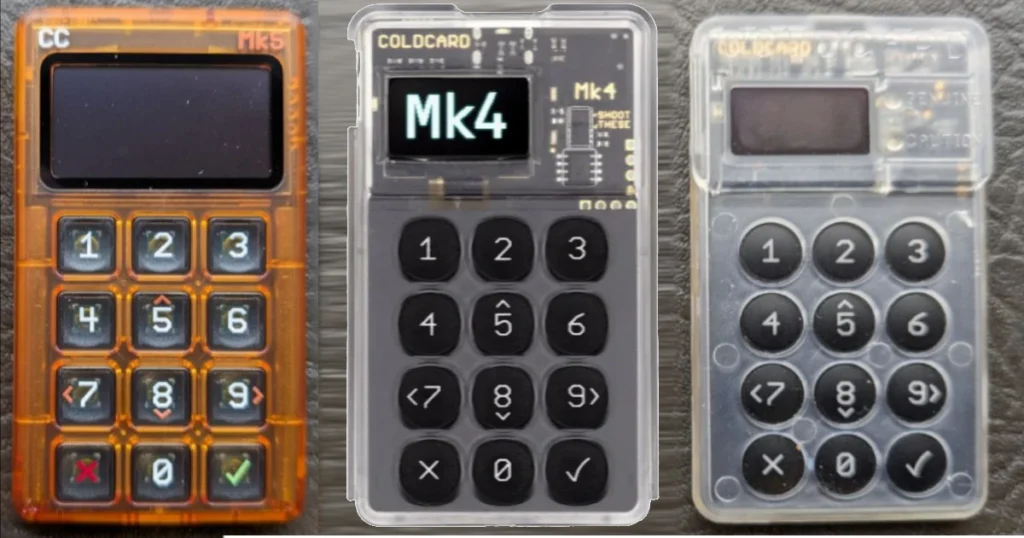
Coinkite, a prominent manufacturer of Bitcoin-only hardware wallets, has recently introduced the MK5, marking a significant enhancement in user experience and quality of life from its predecessor, the MK4 Coldcard. This latest model not only preserves the robust security features established by the MK4 but also introduces numerous aesthetic and functional improvements. The MK5 is available in various colors and styles. This review will evaluate the Orange and Glow-in-the-Dark editions while addressing the question of whether these enhancements justify the investment.
Building upon the innovative security framework of the MK4, which integrated two secure element chips from distinct manufacturers alongside a microcontroller unit, Coinkite’s MK5 prioritizes usability. Key improvements include enhanced NFC connectivity, a re-engineered button layout and plastic chassis, and a significantly larger screen. This marks the first hardware iteration in the Coinkite MK line since the MK4’s launch in 2022, incorporating technologies introduced in the Coldcard Q in 2023.
What is New with the MK5 Coldcard?
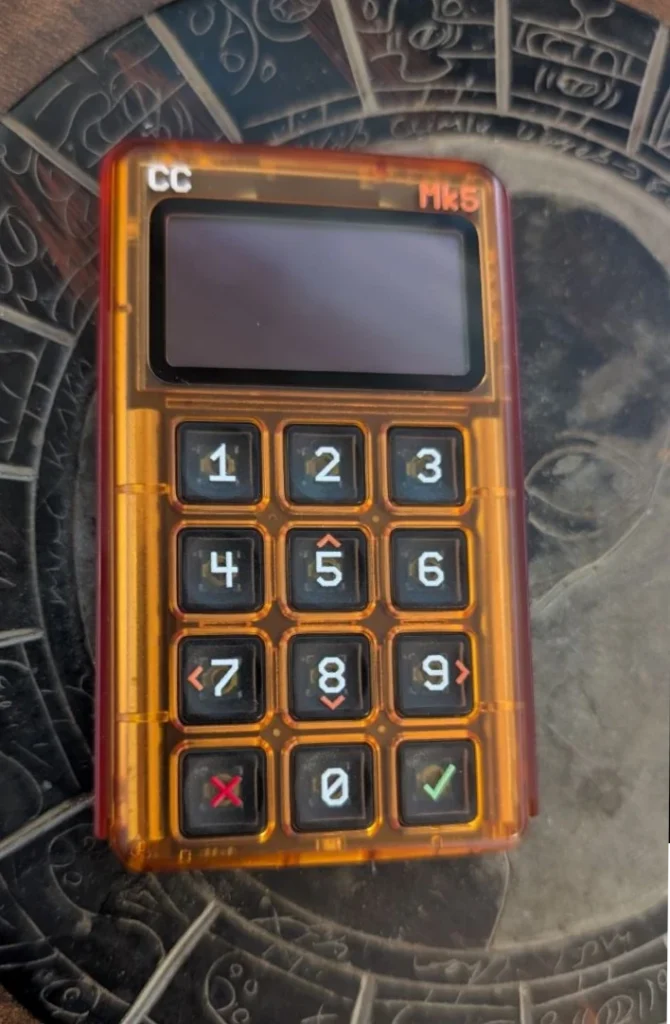
Significant upgrades are readily apparent in the MK5, most notably its larger screen, which is approximately 30% larger than that of the MK4. As noted in their announcement, it features a “1.54-inch display protected by Gorilla Glass,” enhancing durability and visual appeal.
Another important enhancement is the button design. In contrast to the indented buttons found on the MK4, the MK5 features buttons that are nearly flush with the device chassis, thereby improving accessibility and tactile feedback. Users will find the clicking sensation of the buttons to provide a significant advantage over the less engaging experience of touch screens found on other hardware wallets.

Additionally, the chassis has undergone a redesign. The screen section is now seamlessly integrated into the device’s rectangular form factor, featuring elegantly curved edges. This modern aesthetic effectively maintains the distinctive cypherpunk transparency that highlights the internal hardware, a hallmark of Coinkite’s design philosophy.
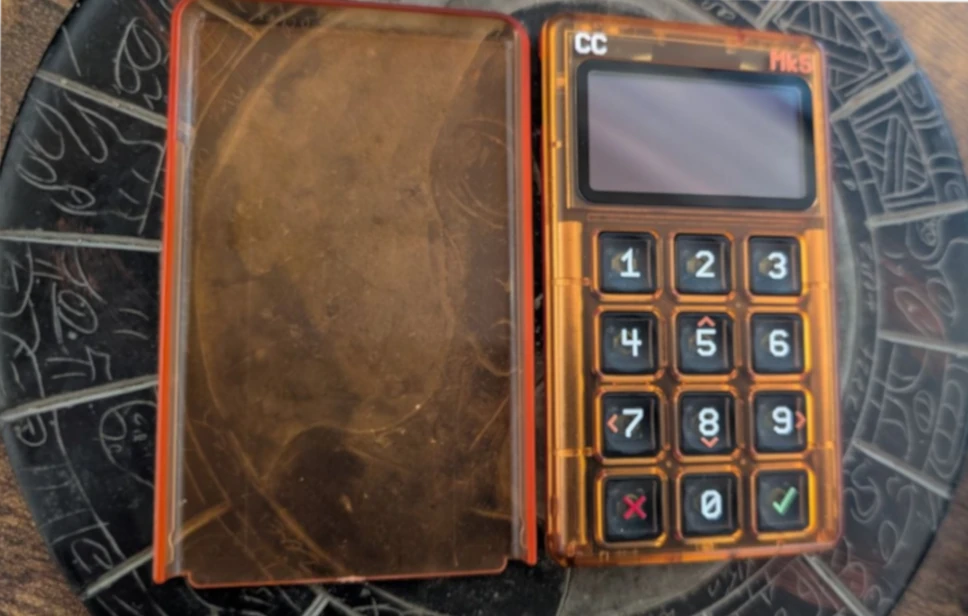
The MK5 also includes a protective half-case that accommodates the button and screen, which can be easily detached, exposing the USB power input without obstruction.
NFC Push Transactions
Coinkite has also enhanced NFC support with the MK5. Near Field Communication (NFC) technology is increasingly becoming a popular option within the Bitcoin ecosystem, enabling various applications from tap-to-pay services to novel features like Cashu’s tap-to-send capabilities.
NFC technology offers a distinct advantage over other wireless communication methods, such as Bluetooth or Wi-Fi, primarily due to its limited range. This characteristic minimizes the risk of unauthorized interception or remote connections, making it a preferred choice for security-conscious users. Furthermore, the NFC integration simplifies the user experience by eliminating complex connection protocols—users simply need to enable the feature on their devices to facilitate seamless transactions.
Moreover, Coinkite’s NFC software is open source, featuring fewer lines of code than its Bluetooth and Wi-Fi counterparts. The entire NFC Push Tx protocol is accessible, with the client-side application seemingly designed for easy integration into web applications. While the hardware code remains public, it is restricted to non-commercial use.
The Colors of the MK5
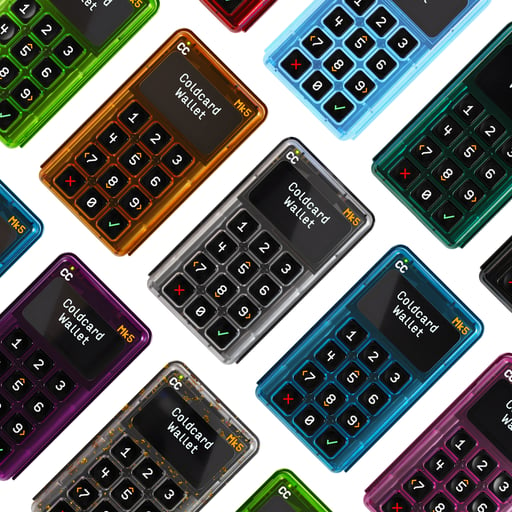
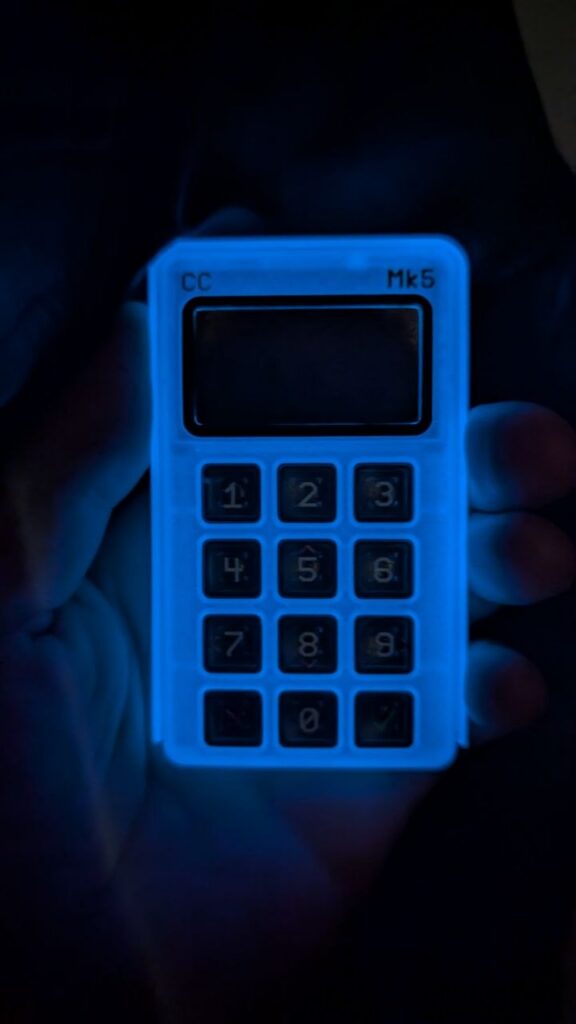
The MK5’s appeal is further enhanced by its diverse selection of color options, ranging from gold-flaked transparent gray to vibrantly colored editions such as orange and glow-in-the-dark variants. Personal experience with the Orange and glow-in-the-dark editions suggests that while the designs are visually striking, fans of collectibles might gravitate toward the gold-flaked variant.
Supply Chain Security
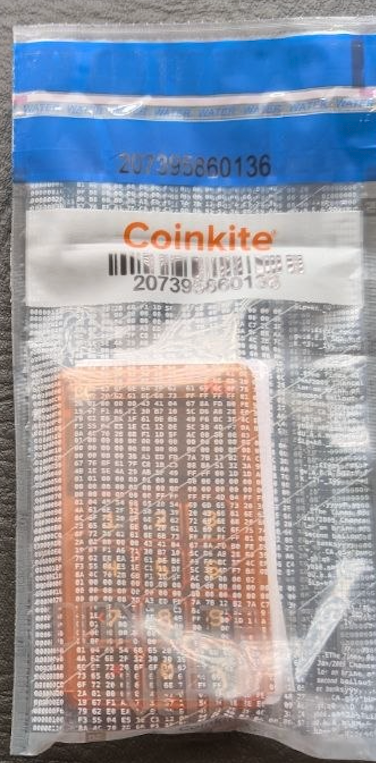
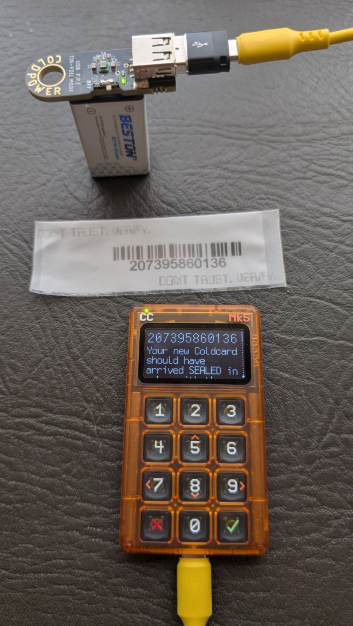
The packaging of the MK5 was noteworthy; it arrived accompanied by a purchase order, and the hardware was enclosed in tamper-proof security bags made of robust plastic, requiring significant effort to open. Each bag featured a unique identification number, which was also displayed on the device’s screen upon initial startup. This flash memory code is established at the factory level, complicating any potential attempts at interception or firmware manipulation. A further enhancement would involve notifying users of the bag number via email or through a secured site login, thereby providing an additional verification channel.
Users are encouraged to report unusual packaging conditions to Coinkite support.
The device illustrated below, the COLDPOWER Adapter by Coinkite, demonstrates another innovative approach to enhanced security. Designed to power the device entirely in an air-gapped manner, it mitigates any risk associated with connecting to external power sources.
Areas for Improvement
The integration of NFC Push Tx with various mobile wallets exhibited some inconsistencies. Testing was conducted with Cove, Bull Bitcoin, and Nunchuck, revealing that Nunchuck provided the best integration, while Cove showed potential for future development. Bull Bitcoin, however, appeared to either disable or obscure this feature. The Cove project is still maturing, while Nunchuck, a highly advanced wallet, required some time to navigate but ultimately delivered the best user interface experience of the trio.
Additionally, despite the enhanced NFC antenna, users may need to remove bulky mobile cases to ensure reliable data transmission.
Conclusion: Is the MK5 Worth the Investment?
For one who has transitioned from the relatively antiquated MK3, upgrading to the MK5 emerges as a compelling decision, particularly at a modest cost of $167 plus shipping. This investment presents a significant leap in both security and user experience enhancements.
Users currently employing the MK4 will find notable improvements in screen size, button functionality, and NFC efficiency. When compared to other hardware wallets on the market, the MK5 offers considerable value.
Conversely, for those who represent passive users of the MK4, typically conducting only a handful of transactions annually, the argument for upgrading may not hold as much weight. They will continue to receive firmware updates and maintain robust security, likely requiring only minimal improvements in user experience.

Thank you for visiting our site. You can get the latest Information and Editorials on our site regarding bitcoins.

