


Bitcoin’s digital characteristics are a significant source of its advantages. As a programmable asset, it facilitates self-custody practices, rendering theft and confiscation exceedingly difficult. Additionally, its digital nature allows for the rapid transfer of value and settlement across the globe within mere minutes.
However, Bitcoin has faced criticism for its abstract nature, which can pose a barrier to understanding for many individuals. In its inherent form, Bitcoin cannot be physically touched or held; it exists solely in the realm of imagination and comprehension. This conceptual limitation has catalyzed numerous endeavors aimed at introducing a tangible representation of Bitcoin, a challenging task.
Over the past decade, both entrepreneurs and artists have confronted the challenge of rendering Bitcoin physical while retaining its essential cash-like properties. Although a definitive solution remains elusive, meaningful advancements have been achieved, leaving behind a remarkable legacy of artifacts.
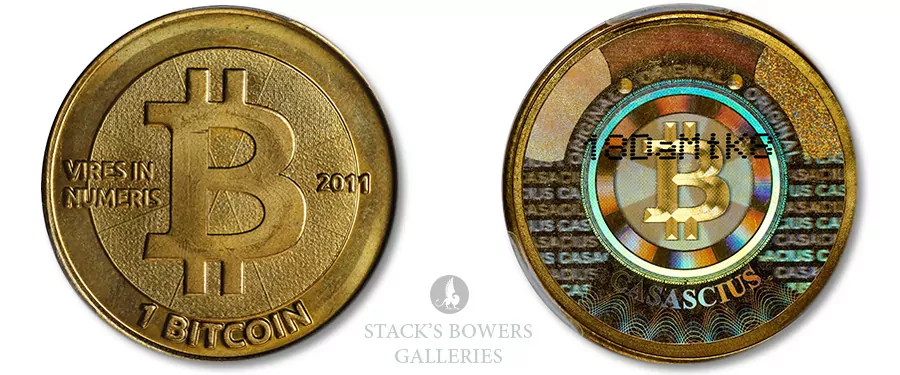
Casascius Coins
(Image by Stacks Bowers Galleries)
Minted as early as September 6, 2011, at a Bitcoin price of approximately $8, Casascius coins stand as the most iconic physical Bitcoin artifacts to date, inspiring numerous imitations. Named after Mike Caldwell’s pseudonym on the Bitcointalk forum—signifying honesty—the Casascius coins established numerous practices that would influence subsequent physical Bitcoin attempts over the years.
A primary challenge in creating physical Bitcoin lies in securely managing private key information. Given Bitcoin’s digital origin, its existence depends on a cryptographic private-public key pair—a secret utilized to generate a public key and employs Bitcoin-compatible cryptography. In crafting Casascius coins, Caldwell generated private keys using an air-gapped machine and affixed them to iconic precious metal coins before presumably destroying the copies on his computer. The security precautions he enacted were transparently detailed on his website for potential buyers.
The printed private key was subsequently concealed under specialized tamper-proof stickers, which clearly indicated any removal through a distinctive “honeycomb pattern.” This feature enabled buyers to ascertain whether the private keys associated with a Casascius coin had been exposed prior to purchase from third-party vendors.
This key management dilemma represents the foremost risk inherent in the creation of physical Bitcoin, a challenge that Caldwell addressed through a combination of transparency and trustworthiness. His reputable standing remains formidable to this day, lending significant credibility to the trust placed in him by buyers, many of whom have since reaped substantial collector value from their acquisitions.
The issuance of Casascius coins was halted in November 2013 following communication from the Financial Crimes Enforcement Network (FinCEN), which informed Mike Caldwell that the minting of physical bitcoins classified him as a money transmitter business subject to stringent compliance regulations. The trust involved in generating the private keys arguably introduced a centralizing element that made him a target.
RavenBit Coins

A year after the discontinuation of Casascius coins, RavenBit emerged with an objective to decentralize the trusted minting conundrum associated with physical bitcoins. The RavenBit coins, which bore a resemblance to Casascius coins, eschewed pre-generated keys; instead, they were delivered with the tamper-proof sticker unpeeled, allowing users to generate their own keypair, affix it to the coin, and seal it with the sticker.
This approach theoretically decentralized minting; however, in practice, it simply proliferated numerous trusted entities lacking established brands or reputations, often relying on office printers potentially compromised by malware. The uncertainty regarding the integrity of private key management thus persisted. To date, the RavenBit initiative remains dormant, but it has imparted valuable insights to the industry regarding the necessity of advanced technological solutions for physical Bitcoin.
Opendimes
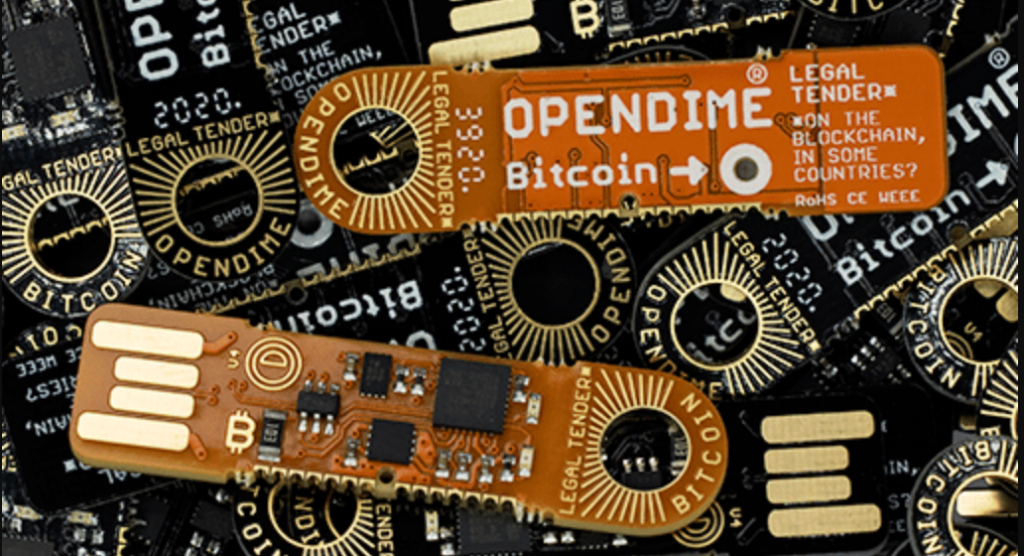
To address the challenges of trust associated with minting—both in the central and peripheral axes—Coinkite, the hardware wallet manufacturer, designed the Opendime. This compact computer was purpose-built as a Bitcoin bearer asset. Reflecting on the motivation behind this innovation, NVK, co-founder of Coinkite, remarked, “Bitcoin is digital money. All we can do is provide an analog backup.” This statement underscores the current necessity of a computer to generate valid Bitcoin keys, effectively functioning as the mint.
Opendimes were constructed around this foundational concept. They incorporate a computer chip capable of generating a private-public key pair while securely storing the private key behind an anti-tamper mechanism. Users must supply a file or input for entropy during setup, which the chip utilizes to facilitate the random generation of Bitcoin wallet keys. This method enhances assurance that the underlying random generation logic—available as open source—provides improved entropy during key generation.
The public key of an Opendime wallet can be accessed by connecting the device to a computer, akin to a conventional USB drive, allowing its balance to be verified via a block explorer. Users can then deposit Bitcoin into the Opendime; however, withdrawing BTC necessitates physically puncturing the device, thus unlocking a circuit to access the private key while visibly compromising the device’s integrity.
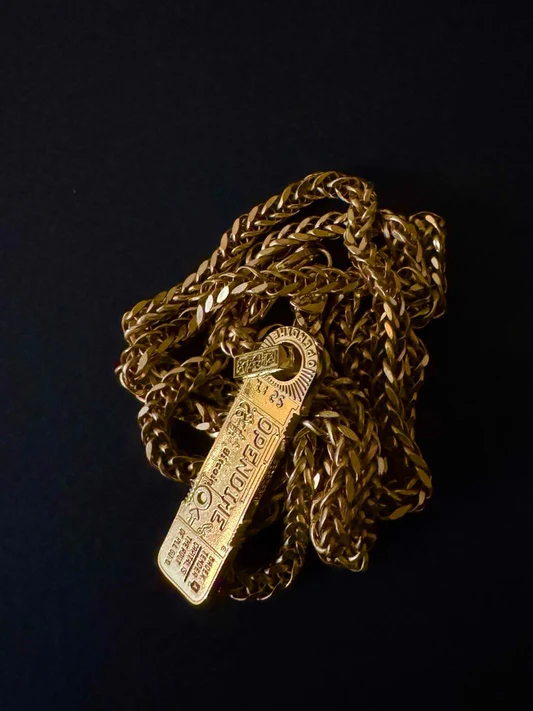
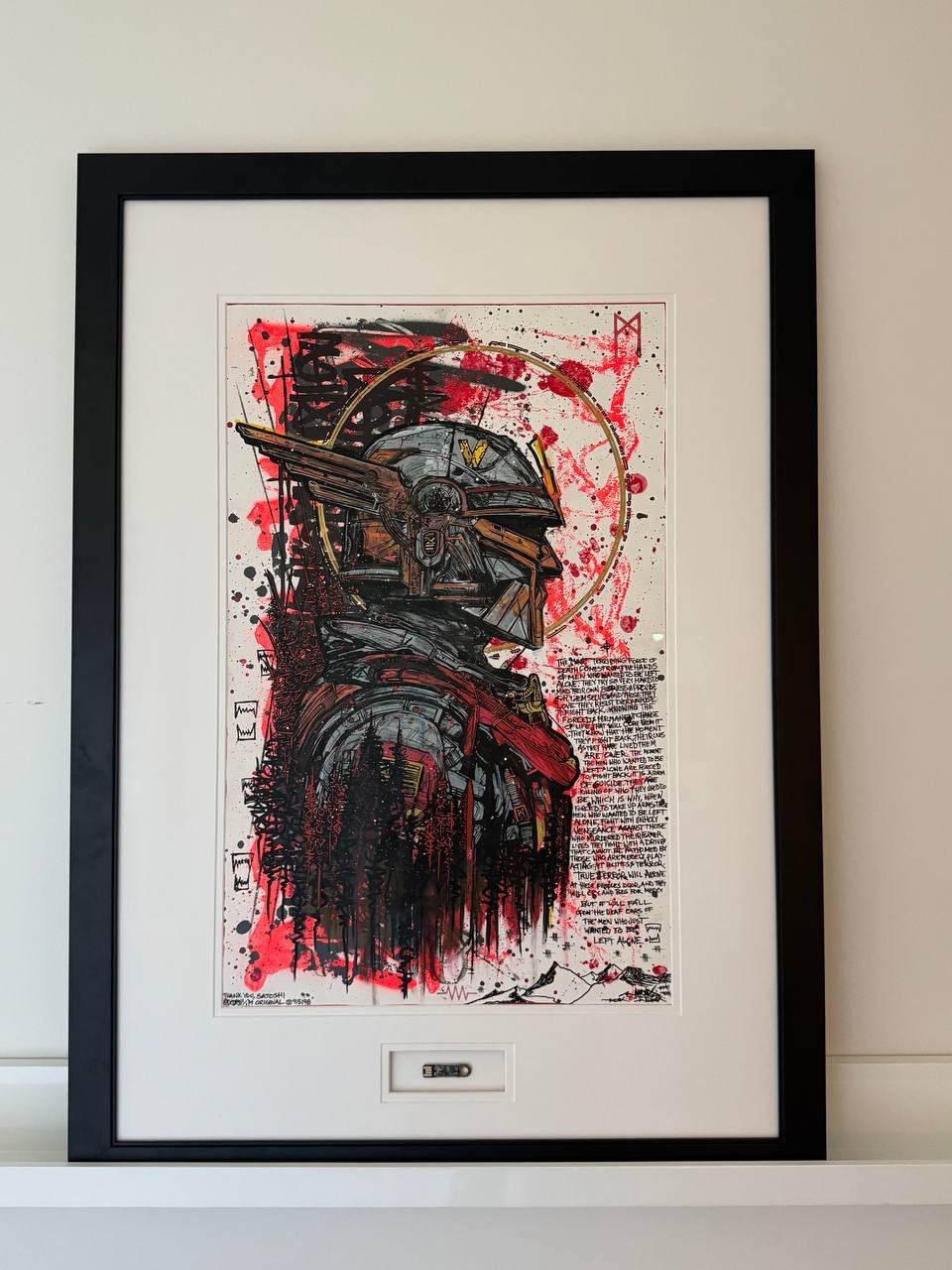
Opendimes represent a significant advancement in bearer asset technology, retailing for approximately $20 today, up from a low of around $13 in 2016. Consequently, they have attained a status as iconic items, with artists incorporating them into premium Bitcoin art and contributing to Bitcoin’s meme culture.
While $13 to $20 is relatively affordable for hardware wallets, the issues of trust in minting persist, as users must fill the device with their own coins. The pricing and form factor, however, remain considerably distant from that of cash equivalents. To serve as currency, an Opendime should ideally contain at least $100 worth of Bitcoin to justify its hardware cost, thereby excluding its viability for everyday purchases due to its price point.
Moreover, the sleek, modern USB stick form factor, while technologically impressive, does not effectively convey the contents to potential users, rendering each device effectively non-fungible compared to other Opendimes, and thus deviating from cash-like characteristics. Consequently, a more cost-effective and fungible alternative remains necessary.
The Satodime
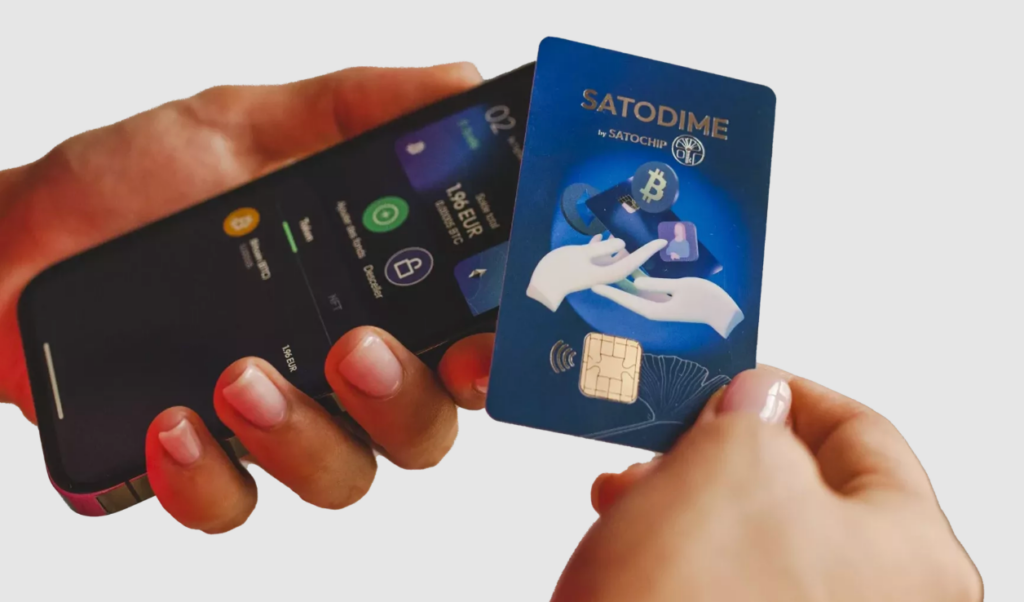
Extending the Opendime concept into a more user-friendly format, the Belgian hardware wallet manufacturer Satochip has developed an open-source, credit card-like Bitcoin wallet with characteristics similar to those of the Opendime. This device can generate Bitcoin private-public key pairs and, depending on the specific version, may even authorize transactions. Users can interact with the wallet via mobile applications utilizing NFC technology. Additionally, alternative formats such as rings and coins containing identical capabilities are also available.
The cost of Satochip hardware can drop to as low as 13 Euros, depending on bulk purchases, representing a marginally more affordable option than Opendimes, thus progressing closer to everyday cash transaction levels. However, Satochip cards are primarily designed as high-security hardware wallet devices rather than intended for daily cash use. The cost of incorporated advanced computing chips contributes to the challenging price point, which remains above $10.
Too Expensive? The Fundamental Limits
In determining the price threshold for physical Bitcoin hardware to be economically viable, it is essential to consider production costs. The Federal Reserve estimates that producing U.S. dollars incurs costs ranging from 4.1 to 11.3 cents, with smaller denominations facing relatively higher production expenses.
To warrant a physical token representing 20,000 Satoshis—approximately $16 at current valuations—the necessary hardware costs would need to be well under one dollar. However, many computer chips capable of executing Bitcoin cryptography exceed this price threshold. One notable exception is the NXP NTAG X DNA chip, which, while available in a thin sticker format and priced around $3, does not incorporate the Bitcoin-specific cryptography curve, secp256k1, limiting its native applicability for Bitcoin usage.
The challenges of achieving a cash-like format are compounded by the inherent fragility of computer chips when subjected to traditional paper currency handling, a lesson recounted by NVK, who has firsthand experience in the exploration of Bitcoin bearer assets hardware.
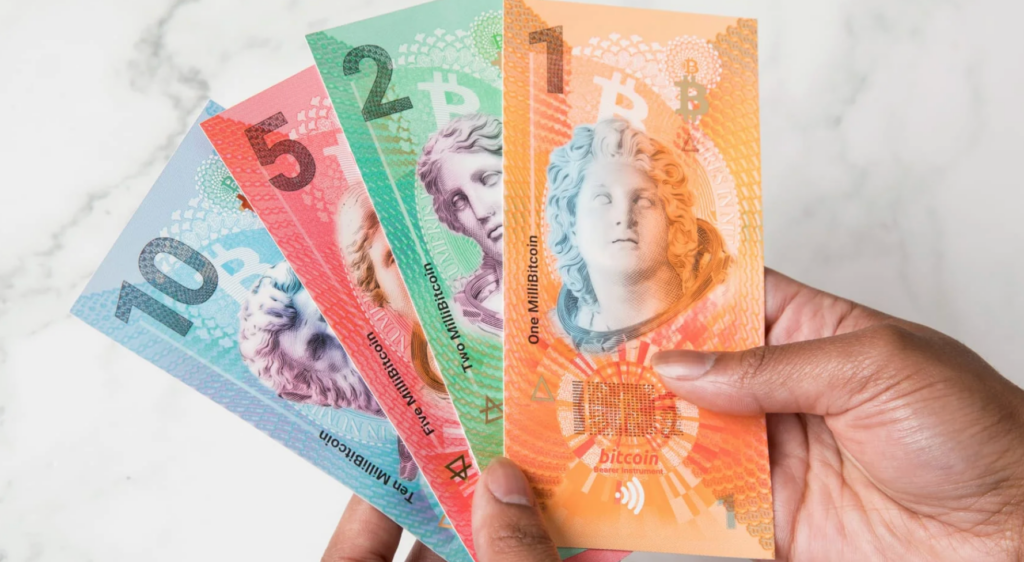
Perhaps the closest existing solution to a cash-like format is offered by OfflineCash, which has produced an aesthetically pleasing and collectible collection of Bitcoin-denominated bills embedded with an NTAG-style NFC chip. These chips store a user-generated key while a second key is maintained on the company’s servers, establishing a 2 of 2 multisignature wallet. This arrangement aims to mitigate the trusted mint problem, albeit replicating the inherent challenges posed by multiple trusted mints. Nonetheless, their visually appealing currency remains noteworthy.
The costs associated with developing a Bitcoin-compatible NTAG can easily accumulate into the millions; furthermore, implementing Bitcoin’s cryptography introduces numerous potential pitfalls if manufacturers lack expertise in the field. Complete open-source certification would be essential to ensure the absence of backdoors.
Ultimately, a fundamental issue exists with physical Bitcoin bearer assets: even if affordable chips could be developed in a cash-like format, online access would still be required to authenticate their value by confirming the presence of real Bitcoin. Solving this conundrum may necessitate the establishment of a trust-based mint for Bitcoin-denominated cash instruments; however, this would fundamentally undermine the ideals of self-custody and trustless cash. In jurisdictions considered friendly, this approach might prove feasible.
While the concept of physical Bitcoin bills akin to those envisioned by OfflineCash—featuring secure chips and minimizing trust risks—remains intriguing, significant advancements are still requisite. Pragmatically, the current absence of Bitcoin-denominated change further complicates the prospect, as consumers would primarily receive fiat currency as change. However, in a post-hyperbitcoinization scenario, such functionality could evolve. NVK asserts that a superior solution mirrors the cash format, prompting Coinkite’s introduction of the Tapsigner.
The Tapsigner
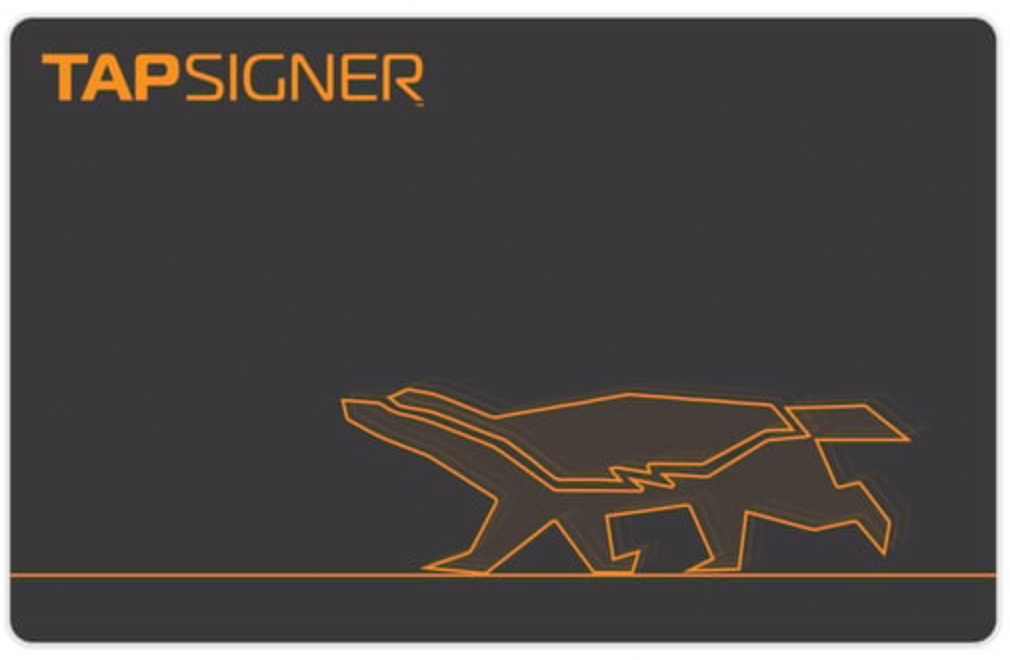
Utilizing the Coinkite Bitcoin NFC chip—an advanced technology comparable to NXP’s X DNA NTAG, though potentially more formidable and costly—the Tapsigner presents itself in a familiar debit card form factor, equipped with a secure element chip, NFC tap-to-pay capabilities, and customizable designs. This chip houses an entirely functional Bitcoin wallet, incorporating secp256k1 cryptographic capabilities, allowing it to generate Bitcoin keys, securely store secrets, and sign transactions internally, all while facilitating the broadcast of transactions through an accompanying mobile device that serves as a crucial verification tool.
The Tapsigner combines the qualities of a bearer asset with the versatility of a refillable hardware wallet capable of executing specific Bitcoin transactions akin to traditional credit cards. This innovation resolves challenges associated with change and reintroduces the prospect of retail adoption and integration with major business accounting and payment systems, exemplified by the ongoing advancements from Cashapp and Square.

Thank you for visiting our site. You can get the latest Information and Editorials on our site regarding bitcoins.

