


In February 2026, a single trading card sold for $16,492,000. The 1998 Pikachu Illustrator, recognized as the only known PSA 10 example of one of the rarest Pokémon cards, was sold by Logan Paul through Goldin Auctions to A.J. Scaramucci. Scaramucci referred to this purchase as the first step in a “planetary treasure hunt” for the world’s rarest artifacts, establishing it as the most expensive trading card ever sold at auction. The evolution of card collecting, once relegated to the fringes of culture, has now garnered significant attention.
A noteworthy factor driving contemporary prices is the rise of live-stream ripping, which has transformed pack openings into a spectator sport. Advances in auctions, secondary markets employing responsive data metrics, new printing technologies, and communities focused on scarcity and authenticity are fundamentally redefining the category. This transformation echoes the terminology familiar to the Bitcoin community, leading to an intersection of the two cultures.
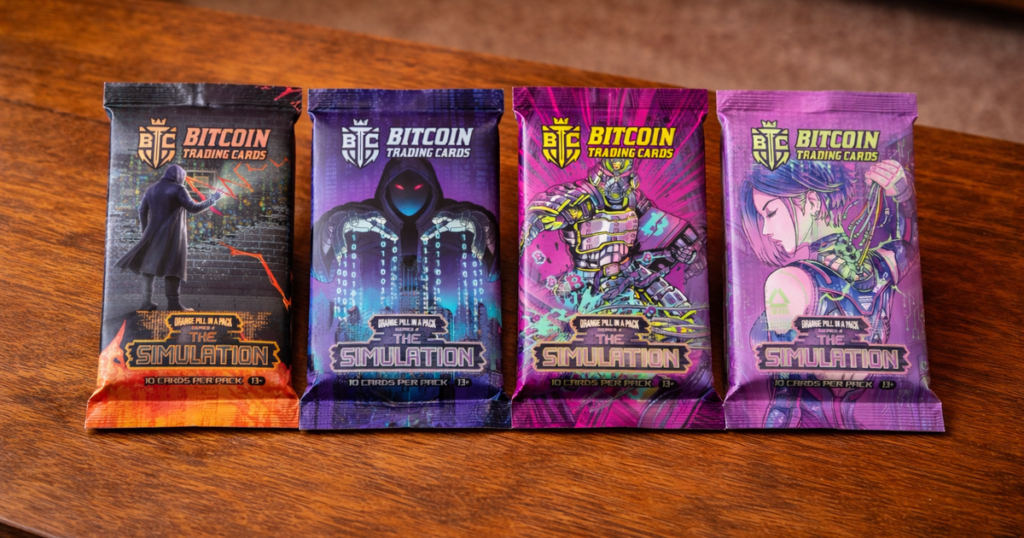
Aladdan Flinn, a lifelong creator and entrepreneur, reflects on his childhood experiences of opening Marvel card packs and inventing original characters. With the advent of NFTs marketed as collectibles yet lacking the scarcity of physical cards, Flinn identified a gap in the market. Launched in late 2022, his company, Based Trading Cards (also known as Bitcoin Trading Cards), offers limited, serialized cards aimed at educating collectors about the principles of sound money and decentralization.
An insightful dialogue was held with Flinn regarding the future landscape of trading cards and the emerging phenomenon of community-driven commerce. Topics included the merging of physical and digital ownership and the motivation behind the Bitcoin community’s ongoing interest in trading cards as a means of commemorating the movement’s history.
BMAG: The trading card industry has changed dramatically over the past five years. What are the biggest trends you are observing in 2026 that collectors may not have yet recognized? Is the market placing a new emphasis on verifiable scarcity and authentication, and what accounts for these changes?
Over the past five years, the industry has seen considerable fluctuations, experiencing an explosive growth phase followed by a cooling period, and now rising back to historical highs. A significant influencer in this resurgence is the desire for authentic community connections among enthusiasts. Many individuals, concerned about the broader economic climate, are viewing trading cards as alternative investments or even as speculative opportunities. Regarding the premium on verifiable scarcity and authentication, there is not yet a widespread demand for it. However, key industry figures are beginning to advocate for enhanced standards, indicating that this trend is gaining traction. It is anticipated that further developments in this area will arise, particularly as the market corrects.
BMAG: As a founder, you have cultivated a robust community surrounding Based Trading Cards and its releases. How crucial is community engagement compared to traditional marketing in today’s collecting environment?
Currently, the independent card market is in a state of upheaval. Innovative printing technologies are allowing creators to bypass traditional constraints, fostering a decentralized ecosystem. However, this same decentralization has resulted in a cacophony of high-risk ventures. While home printing offers artists a platform, it raises concerns over transparency and the potential for financial exploitation through mass reprints. This increases the likelihood of counterfeiting and fraudulent activities, suggesting a heightened vulnerability to market hype cycles. New brands are emerging too rapidly, often leveraging AI-generated designs and influencer endorsements without establishing substantial narratives. Ultimately, the true value of physical collectibles will arise from their ability to encapsulate lasting stories. Brands opting for quality, authenticity, and a globally recognized narrative, akin to One Piece, are expected to prevail, while those lacking substance may falter as the hype subsides.
BMAG: What profiles of collectors are currently entering the market, and how do they differ from previous generations?
The present collector demographic is divided between those influenced by fleeting trends and seasoned connoisseurs. There is a notable influx of newcomers who may quickly succumb to gimmicks due to their lack of discerning judgment. Much like in the cryptocurrency sector, true understanding often develops through the experience of a challenging market downturn. Fortunately, veteran collectors are returning, bringing with them valuable lessons and providing guidance to the new entrants. While market excitement often generates noise, the resurgence of established collectors offers a solid foundation to the community.
BMAG: Looking forward, what innovations or changes do you anticipate will significantly impact the trading card industry over the next three to five years? Do you foresee a convergence between physical cards and digital ownership, and what implications would this have for collectors?
The forthcoming innovations will largely pivot around the capabilities inherent to physical cards. The focus will be on transforming the medium into an art form through advanced embellishments and innovative printing techniques. Additionally, while there will likely be efforts towards digital integration, it is unlikely that NFTs will play a central role in bridging physical and digital ownership. Instead, augmented reality is poised to take precedence. This digital enhancement should not aim to artificially inflate the financial value of cards, but rather to provide collectors with engaging ways to interact with their collections. Ultimately, the intrinsic worth of trading cards will remain tethered to their physical nature, with AR serving merely as a conduit to enrich the experience of physical art.

BMAG: Based Trading Cards has successfully integrated Bitcoin culture with physical collectibles. What do you believe has driven Bitcoin enthusiasts to adopt trading cards as a means of commemorating and preserving the movement’s history, and where do you envision this intersection evolving?
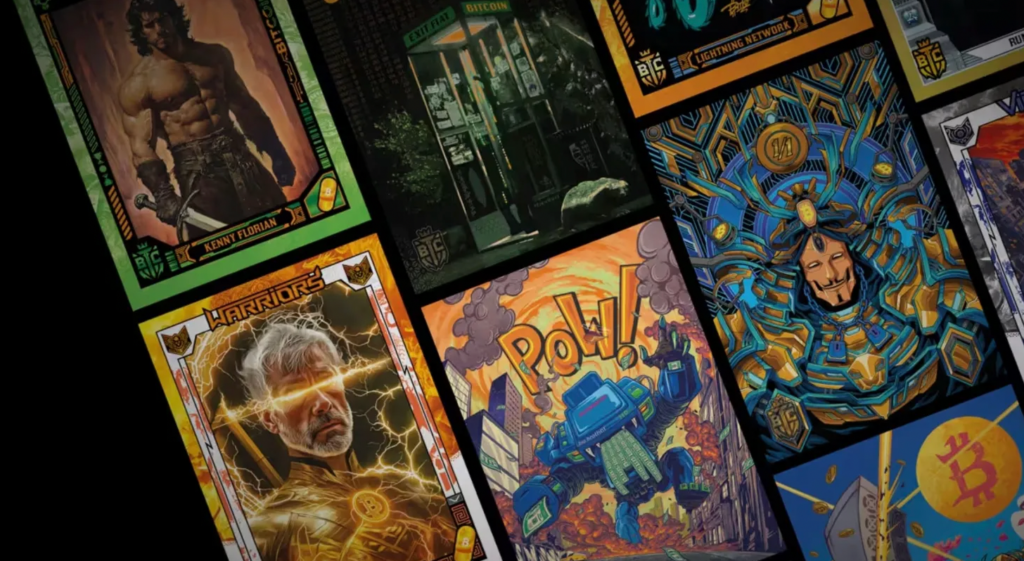
The success of Based Trading Cards can be attributed to a meticulously constructed foundation. The company has refrained from using gimmicks or creating artificial hype surrounding its offerings. Instead, a focus on trust, transparency, and true scarcity has guided the brand, mirroring Bitcoin’s low time preference ethos. Each card produced encapsulates significant effort. When featuring notable individuals such as Michael Saylor or Adam Back, their involvement is not taken lightly; explicit consent and approval are sought. This hobby serves as a physical timestamp, validating participation through both market highs and lows, illustrating attendance at key events, and affirming commitment during times of volatility. Collecting cards allows for the tangible preservation of Bitcoin’s history, enabling enthusiasts to engage with the collective narrative encompassing individuals, literature, enterprises, and artistic contributions.
To explore the full collection of Based Trading Cards and learn about upcoming releases, please visit their website, and follow @based_cards for updates on drop announcements, community events, and artist showcases.
The BMAG Card Expo at Bitcoin Asia is set to feature a dedicated trading card floor on August 27–28 at the Hong Kong Convention and Exhibition Centre. Attendees can look forward to card vendors, TCG tournaments, on-site grading services, and a museum-quality centerpiece on display. Details for vendor and sponsorship opportunities are available on the event’s site.
Enthusiasts attending Bitcoin Asia can utilize code BMAGHK for ticket discounts.

Thank you for visiting our site. You can get the latest Information and Editorials on our site regarding bitcoins.

